
Dear reader,
You already know how essential your groups are to your life. Belonging to a family, a circle of friends, an organization, or a community is fundamental to our psychological and physical well-being. It is through our relationships that we receive so much of what we need in life. At the same time, it is also through our relationships—and the groups we belong to or are excluded from—that we get hurt, traumatized, and caught in patterns that keep us stuck.
When we are part of a group that works well—as a team, a group of colleagues, an organization, a family, even a country—we receive something we simply cannot get when we are alone. We feel safe, seen, challenged, and reflected back to ourselves, all at once. We grow and heal through being with other people. That is why groups are among the most powerful settings we have in therapeutic work.
But as you, I, and the whole world have experienced, groups can also be incredibly difficult. As soon as several people come together, our differences become visible—and sooner or later, disagreement and conflict emerge. Most groups end up either suppressing their conflicts or allowing them to explode and tear things apart. Both are harmful to our health, can permanently fracture a group, and create polarization. They affect individual health and quality of life and prevent us from using our collective energy to create good solutions—something we desperately need in our time.
What I have spent more than 30 years working with, ever since I was a very young and uncertain therapist working as a group consultant with teams of home care workers in the City of Copenhagen, is a third way: using creativity to transform conflict into something a group can hold—and grow from.
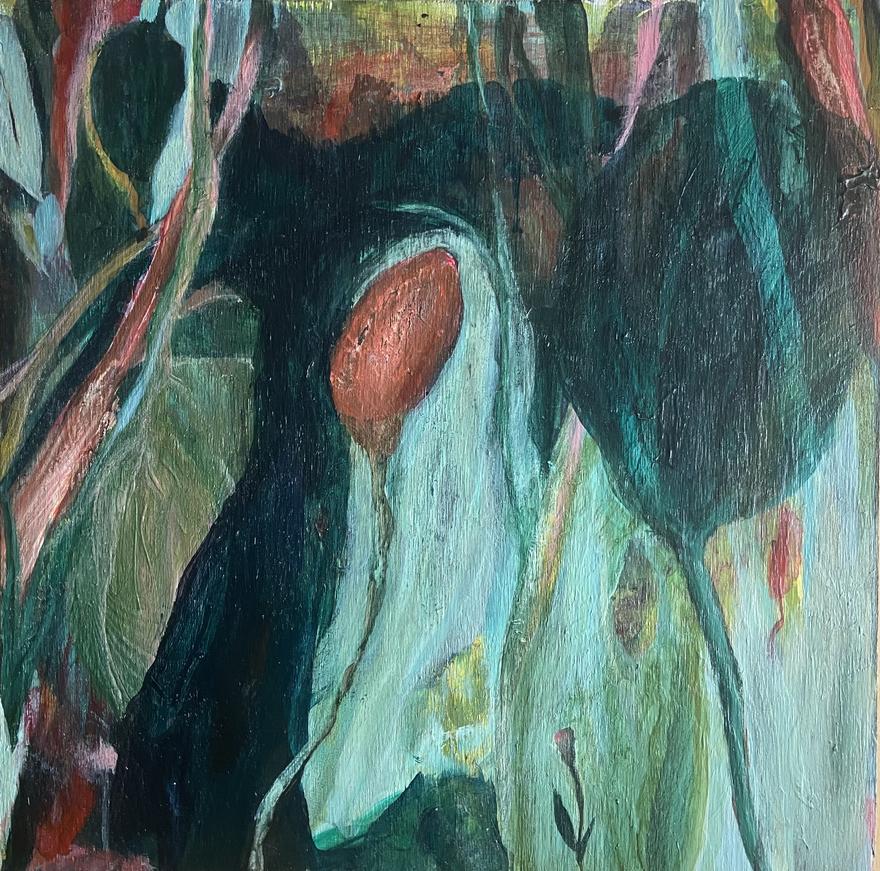
Art can hold multiple truths at the same time and create a new wholeness and transformation from them. Think of great symphonies and novels about war, or about the painful inner struggles between different drives and longings. Think of paintings that show us how light and darkness can exist at the same time. Something beautiful—something new—is created when we are able to hold two or more opposing poles within a conflict.
I know of nothing else that can do quite the same thing.
That is what my new workshop in Copenhagen for the Danish Art Therapy Association is about.
In the workshop on October 3, I would love to show you:
-
A somatic and theoretical understanding of how conflicts arise in groups—and why they are actually signs of life and healthy difference, rather than something that simply needs to be “resolved.”
-
Insight into the roles we unconsciously take on in groups, what they cost us when we become stuck in them, and how we can find the hidden gold in our role and, paradoxically, grow beyond it.
-
Concrete art therapy methods for working creatively with conflict and difference—including sculpture, movement, image-making, and role-play.
-
An experience of creative group work that can inspire you in the groups you work with.
-
A different understanding of art therapy, which so often focuses on the individual process without taking into account that we are tribal creatures—and that although we often struggle to live with one another, we certainly cannot live without one another. When handled with care and creativity, our conflicts can enrich the life of a group and improve what we create together.
You can still register at the introductory price of DKK 650 through Monday.
If you work with art therapy and are interested in the workshop but are not a member of the Danish Art Therapy Association, I warmly encourage you to join. For a very modest fee, you gain access to something we all need: belonging to a creative community.
And if you are not an art therapist but would be interested in a similar workshop where you live or work, you are very welcome to write to me.
I am so looking forward to the day and hope to share it with you.
With love and creativity,
Karin
P.S. In my next blog post, I’ll be sharing something completely different—something I’m currently creating especially for you. Thank you for being here and reading along!









Comments